While there are only five main types of antibodies each antibody can have a different binding site that matches a specific antigen. Immunity is an exemption from a legal duty prosecution or penalty granted by statute or government authority.

Types Of Immunity Bioninja
Some infections like the flu and the common cold have to be fought many times because so many different viruses or strains of the same type of virus can cause these illnesses.

. In adaptive immunity activated T and B cells whose surface binding sites are specific to the antigen molecules on a pathogen greatly increase in numbers and attack the invading pathogen. Innate Immunity or Natural or Non-specific Immunity. Active and passive immunity both serve this purpose but are different in how antibodies are created.
Acquired Immunity or Adaptive Immunity. Acquired immunity is of two types Active and Passive. Innate immunity is provided by various components such as Skin mucus membrane Phagocytic cells etc.
The first disease for which a successful vaccine was. Cell- mediated immunity- The immunity which is mediated by T- lymphocytes by directly attaching themselves to the antigens is called. Innate or natural immunity.
These specialized cells and parts of the immune system offer the body protection against disease. There are four different types of immunity. Immunity is a complex biological system that can recognize and tolerate whatever belongs to the self and to recognize and reject what is foreign non-self.
Protection is provided in the form of barriers in this type of immunity. Active immunity can be acquired through natural immunity or vaccine-induced immunity. Active immunity is more common in.
Innate or Natural immunity. Immunity with which an individual is born is called innate or natural immunity. Contents 1 Innate and adaptive 2 History of theories 3 Passive immunity 31 Naturally acquired passive immunity 32 Artificially acquired passive immunity 33 Transfer of activated T-cells.
Immunity is of two types-1. There are four types of vaccines that are widely used against several diseases but there are new types of vaccines being developed that may be cheaper and provide longer immunity than. There are two types of immunity.
An Individuals own immune system produces the antibodies. Highlight the different types of Immunity And Explain how Immunity is Related to Principles of Preventions 1. 8 rows Active Immunity.
Innate immunity also called inborn immunity is inherited from parents and is present by birth. This is activated immediately when. Human immune systems similarly to those.
The main parts of the immune system are. Humans have three types of immunity innate adaptive and passive. Based on the type of immune cell acting against the antigens immunity can be classified into two types-Humoral immunity- the immunity which is mediated by antibodies produced by B-lymphocytes is called humoral immunity.
Passive immunity This is when ready-made antibodies from another source are introduced to the body. For example the skin acts as a barrier to block germs from entering the. Solution for Explain the difference between the two types of immunity.
There are two types of immunity innate immunity and acquired immunity. Active immunity may be natural or artificial. Innate immunity acts as first line of defense to particular microorganisms.
Types of Immunity There are two major types of immunity. Acquired immunity can be obtained by the host actively or passively and on this basis can be categorized as of two types. It is not specific it acts the same for all intruders entering the body.
The adaptive immune responses depends on the function of two types of lymphocytes called B cells and T cells. Passive immunity In case of passive immunity antibodies and immune-competent cells are transferred from one organism. The barrier to invasion by microbes involves.
Parts of the immune system. I Active immunity and ii Passive immunity. In active immunity there is active involvement of hosts own immune system leading to the synthesis of antibodies andor the production of immuno-competent cells ICCs.
There are three types of immunity in humans called innate adaptive and passive. Innate immunity consists of four types of barriers. Catching a cold or flu from one virus does not give you immunity against the others.
The immunity which occurs by birth is called innate immunity. Innate immunity We are all born with some level of immunity to invaders. Active immunity When an organisms immune system is actively involved in the formation of antibodies and production of.
Innate immunity consists of various barriers which prevent the entry of microorganisms into the body. Innate immunity is non-specific type of defense. They are produced by B cells a specific type of white blood cell WBC that originates in the bone marrow.
The Two Types of Immunity 1 Transactional immunity total immunity 2 Use and derivative use immunity Also known as total immunity transactional immunity provides a shield against any future charges based on any matter related to the testimony. In what situation is one type preferred over the other. It also known as Adaptive immunity.
All of the above 2. Everyone is born with innate or natural immunity a type of general protection. Vaccines provide artificial active immunity.
Immuno describes immunity and globulin describes protein. Active Immunity Active Immunity results when exposure to a disease organism triggers the immune system to produce antibodies to that disease. It is the resistance developed by individuals as a result of an antigenic stimulus exposure to antigen.
This protection is called immunity. Innate Immunity This type of immunity is present in an organism by birth.
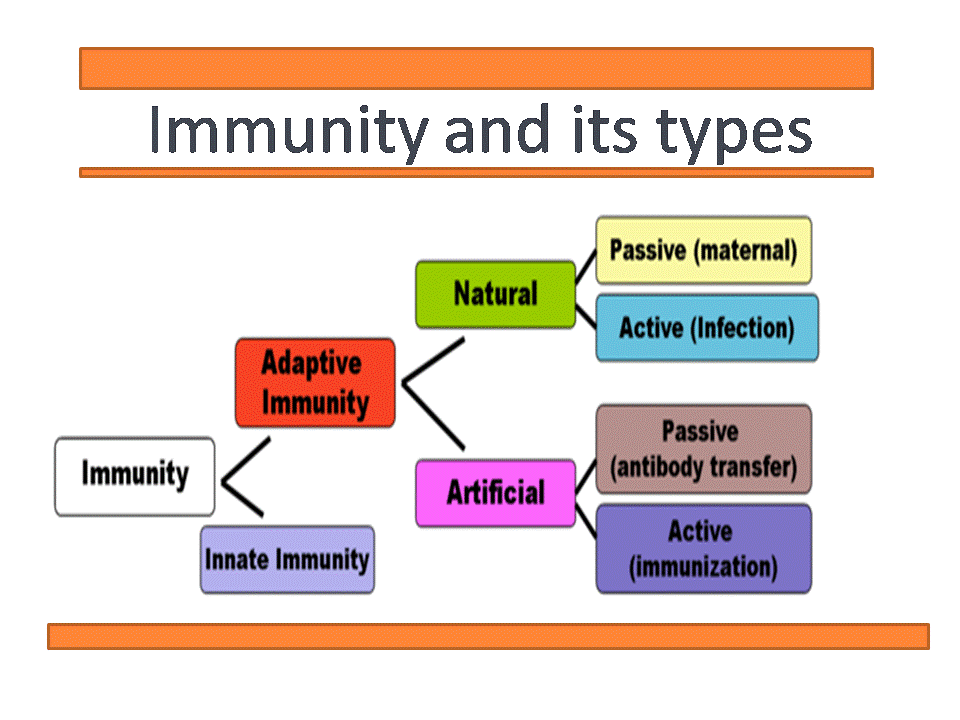
Immunity And Its Types Innate And Acquired Immunity Online Biology Notes
Acquired Immunity What Is It And How Do You Get It
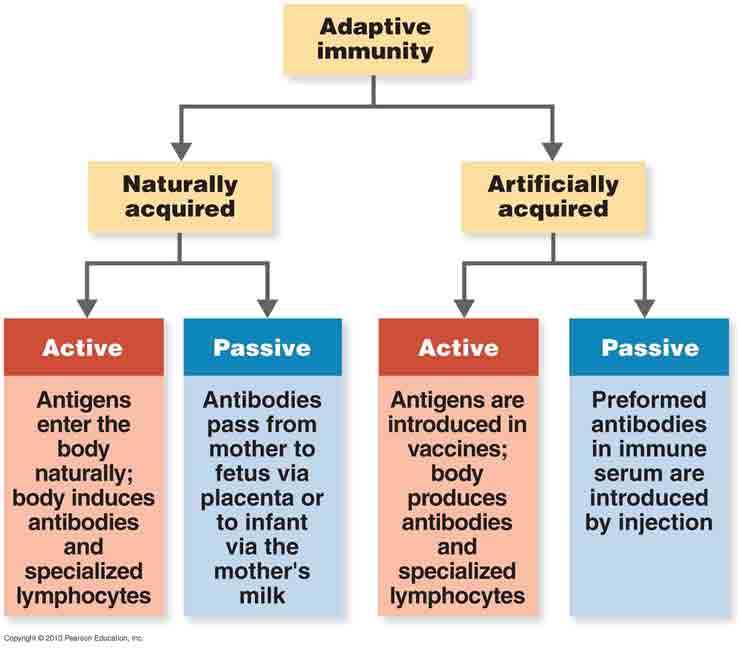
What Is The Difference Between The Four Types Of Human Immunity Socratic


0 Comments